Launching a biopharmaceutical product globally always involves significant uncertainty – especially before pivotal clinical trial results confirm efficacy. Risks arise at every stage: R&D setbacks, unclear healthcare demand, unpredictable competitors and commercial or financial challenges.
As we discussed in our previous PME article “Product launches: making the most of your one shot”, traditional launch planning focuses on three pillars: shape the market; shape the product; shape the organisation. Early in the process, many assumptions remain uncertain – but this is alos when there’s the most flexibility to address risks, reduce uncertainty and capture new opportunities.
Consider a real-world biopharma case. After phase 2 results showed disappointing efficacy, questions arose about pursuing a rare disease follow-on indication. Despite significant unmet need, high annual treatment costs and cheaper off-label alternatives threatened its commercial viability.
Applying agile thinking, the asset lead sought early input from the US affiiliate – especially on market access and pricing – before committing more R&D funding. The US team warned that the much higher dose required for this indication would push annual therapy costs into the high six figures. Even as the only approved product for this rare disease, payers could still enforce use of cheaper, off-label drugs with similar mechanisms (which the US team referred to as ‘step edits of hell’). This could shrink the addressable patient pool by tenfold or more. The global team concluded the indication wasn’t viable in the US and chose not to pursue it further.
This case study illustrates how top cross-functional biopharmaceutical launch teams thrive amid uncertainty – turning risks and opportunities into advantages through agile project management. By leveraging optionality in R&D and launch preparation, as discussed in “Capturing value from optionality in pharma R&D”, they enhance launch excellence.
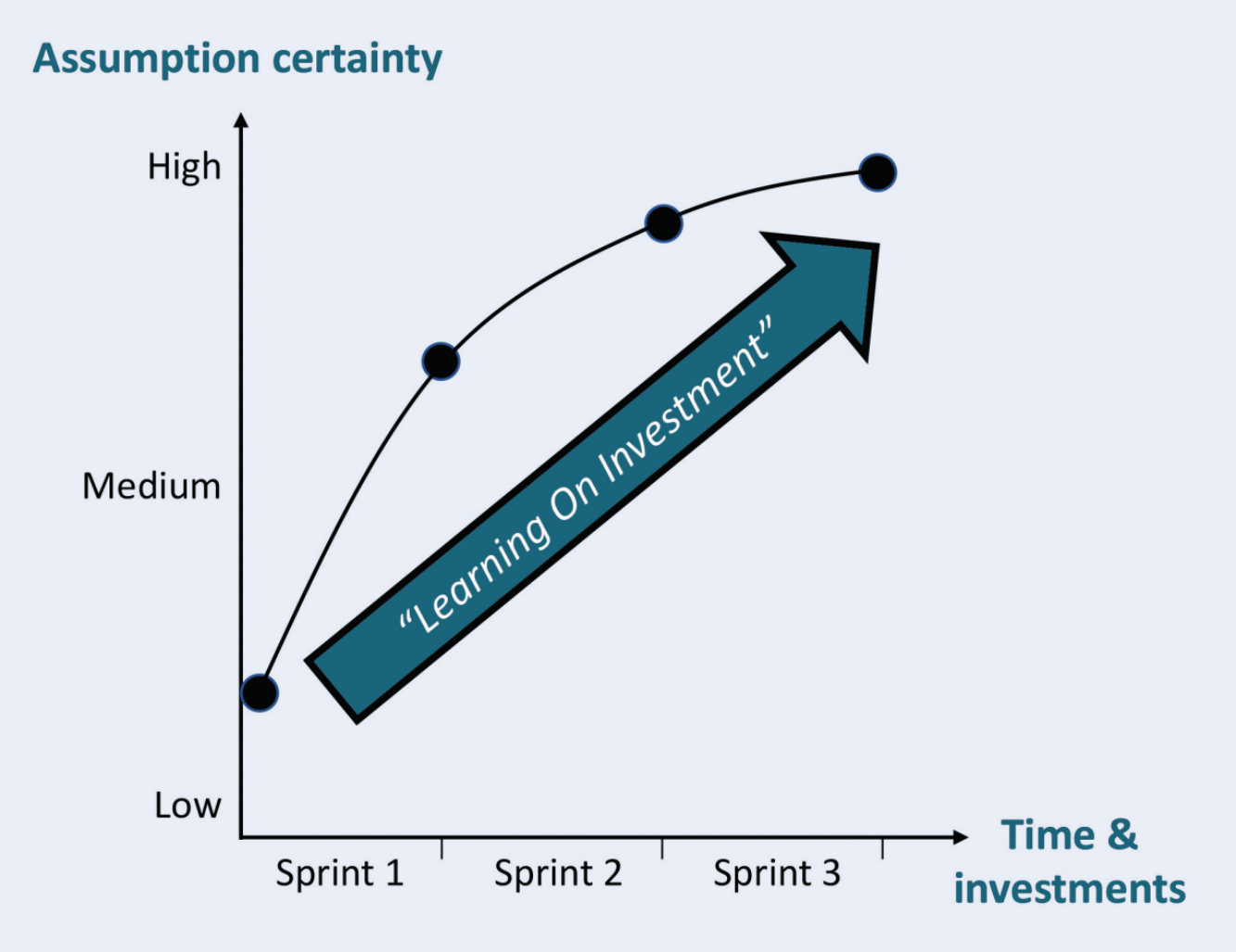
Like leading tech companies, they use approaches such as design thinking to accelerate and deepen learning. Successful teams focus on maximising learning on investment (LOI) and increase assumption certainty over time – through competitor monitoring, insight generation, KOL engagement, evidence generation and other critical launch activities.